Solar Solutions
Residential and Commercial Solar Requirements.Gauteng House & Garden provides residential and commercial solar solutions across Gauteng, engineered and installed by our certified affiliated partner, Gwangwa Entities Pty Ltd. Led by Thabo Gwangwa, a qualified electrical technician holding a registered Wireman’s License and official PV GreenCard installer certification, we deliver custom hybrid solar systems, backup inverters, and full Certificates of Compliance (CoC) across Johannesburg and Pretoria.
Reliable Solar Solutions in Gauteng: Protect Your Home & Business from Infrastructure Failures
Energy Independence Starts Here
Eliminate load shedding and slash your monthly utility bill by up to 80% with a staged solar and backup strategy. Gauteng House and Garden provides end-to-end solar installations that focus on ROI, using Tier 1 components (Sunsynk, Deye, and Freedom Won) to ensure your home remains powered, compliant, and future-proof.

The “Essential Backup” Kit (Load Shedding Protection)
Perfect for apartments or small townhouses where the goal is to keep the lights, Wi-Fi, and TV on during outages.
-
Hardware: 3.6kW Luxpower or Deye Inverter + 5kWh Lithium-Ion Battery.
-
Capability: Runs all lights, fridge, router, and laptop charging.
-
Estimated Investment: R45,000 – R55,000 (Fully Installed).
The “Efficiency Hybrid” (The Sweet Spot)
Designed for the average 3-bedroom home that has already switched to gas for cooking and water heating.
-
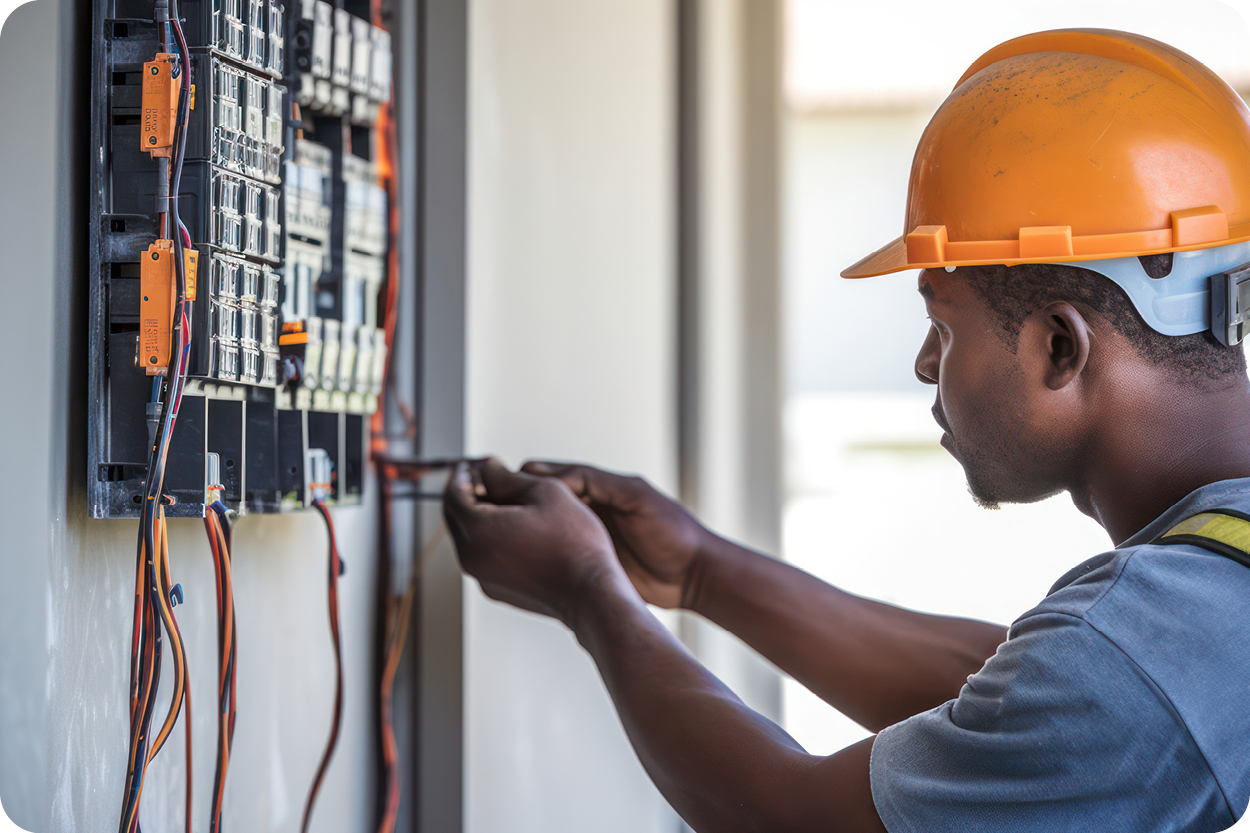
Hardware: 5kW Sunsynk or Deye Hybrid Inverter + 5kWh/10kWh Battery + 6 x 550W Tier 1 Panels.
-
Capability: Powers the whole house; significantly reduces your reliance on the grid during the day.
-
Estimated Investment: R85,000 – R115,000 (Fully Installed).
The “Grid-Independent” Solution (High Capacity)
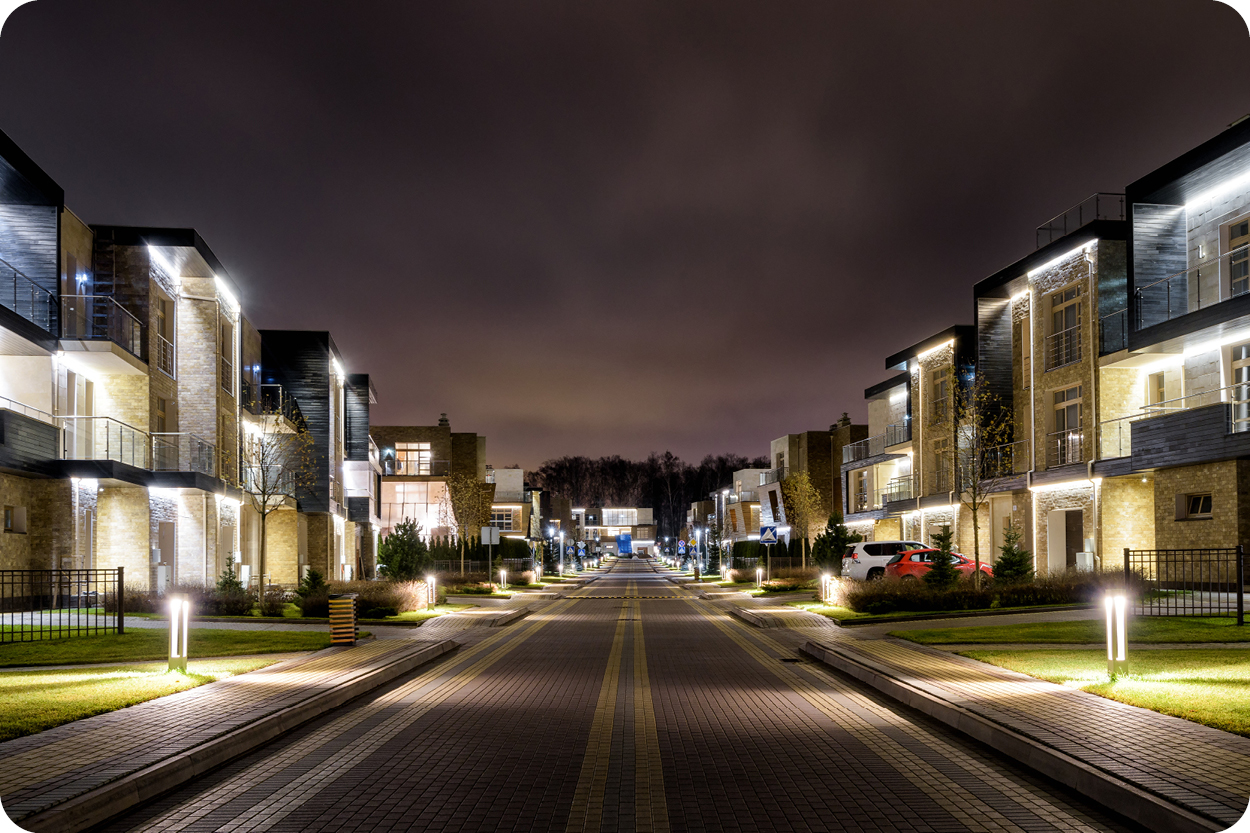
For larger families or those wanting near-total independence from the municipal grid.
-
Hardware: 8kW – 12kW Sunsynk Inverter + 15kWh+ Battery Storage + 12-16 Solar Panels.
-
Capability: Runs heavy loads like pool pumps, washing machines, and aircon (during day-time sun).
-
Estimated Investment: R165,000 – R250,000+ (Fully Installed).
Our team safely executed a massive 160kW PV Solar Installation at the historic Market Theater in Johannesburg. From real-time load audits to full structural integration, our engineering team manages projects scaling from suburban households to high-demand commercial facilities.
Key Service Takeaways
-
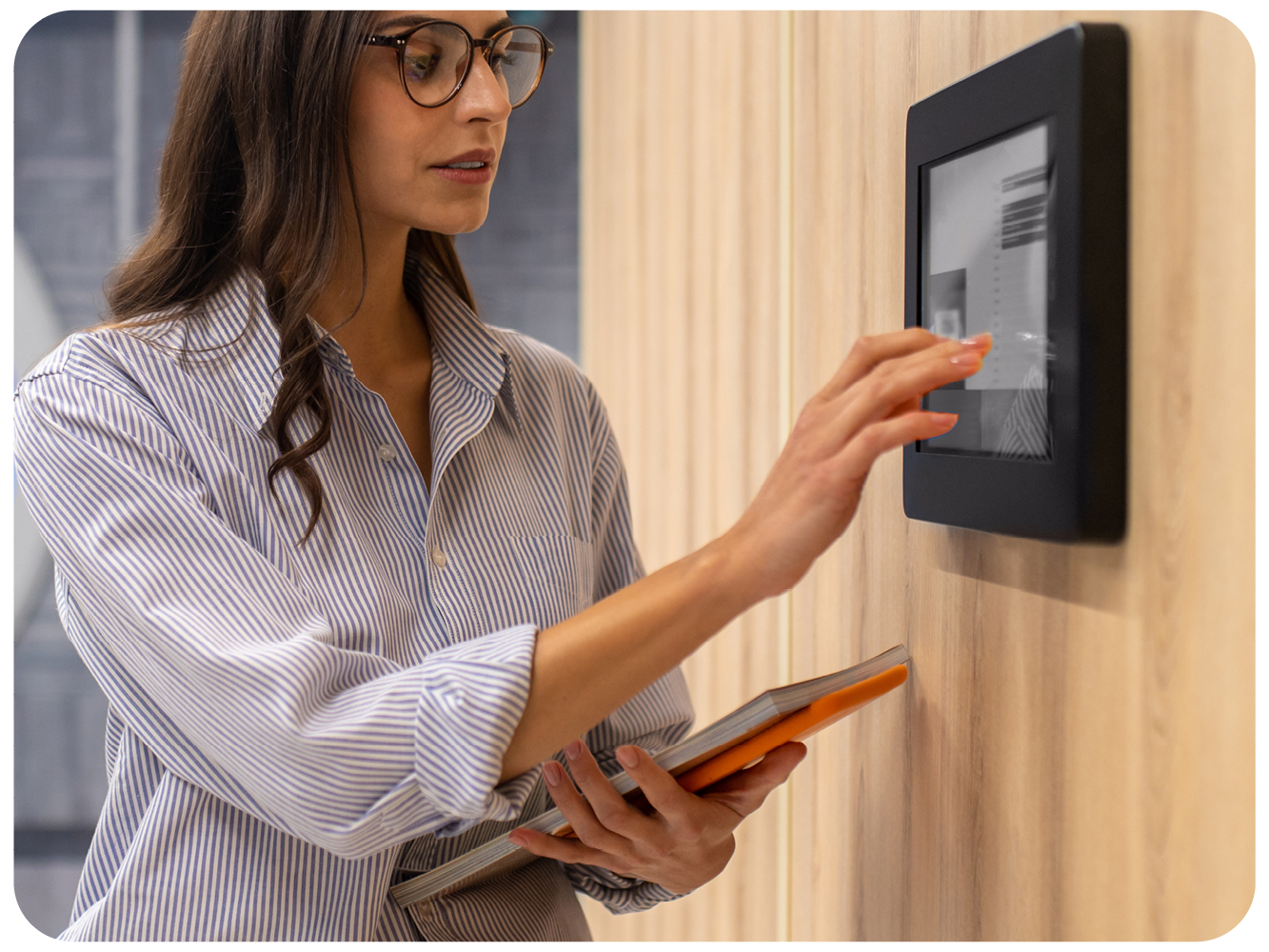
Staged Installation: We don’t force a R200k system on day one; we build in stages that match your budget.
-
Compliance First: Every installation includes a certified Electrical Certificate of Compliance (CoC) for insurance and property value.
-
Tier 1 Tech: We only use hardware with local technical support and 10+ year warranties.
-
Hybrid Strategy: We integrate your solar with gas solutions to minimize the size (and cost) of the inverter you actually need.
Why Choose Gauteng House and Garden?
We provide the right system for every application, ensuring a quality workmanship.
1. Safety First, electrical work is dangerous work. Our teams are strictly trained in safety protocols to ensure no damage occurs to your property during the job.
2. Fully Supervised & Insured We connect you with trusted, vetted professionals. Every project is handled with the utmost professionalism, giving you peace of mind that you are dealing with legitimate experts.
3. Site Cleanup Guarantee A great job isn’t finished until the mess is gone. We pride ourselves on leaving your property spotless, removing all branches, leaves, and sawdust before we depart.
4. Free, No-Obligation Quotes We believe in transparency. Contact us for a free site assessment and quote. We will visit your property, assess the scope of work, and provide a competitive price with no hidden costs.
Our Credibility
- Affiliated Installer
- Licensing
- Solar Accreditation
- Industry Body
- Legal Status
- Insurance Cover
Our Transparency
- Gwangwa Entities Pty Ltd
- Qualified Electrical Technician with Wireman’s License
- Approved PV GreenCard Installer (SAPVIA)
- Member of the Electrical Contractors Association (ECA)
- 100% B-BBEE Compliant Entity
- Broadform Liability Insurance Cover via Auto & General
Our Coverage Areas
- Johannesburg, Pretoria, East Rand, West Rand, Vaal
- All Gauteng Municipalities
- Nationwide Compliance Standards
- Highveld Region (Reg: GW3058)
- Corporate & Residential Sector
- Full Site Risk Protection

Solar CoC Certificates in Gauteng: Is Your Solar System Compliant?
Installing solar panels, an inverter and batteries changes your home’s electrical installation. That means there is more to solar compliance than simply making sure the panels produce electricity.
A properly installed solar system needs to meet the applicable South African electrical safety requirements, and homeowners should have the correct Certificate of Compliance (CoC) covering the relevant electrical installation work.
Under South Africa’s Electrical Installation Regulations, a CoC may only be issued by an appropriately registered person after the electrical installation has been inspected and tested. If faults or defects are identified during that inspection, they must be rectified before the registered person can issue the certificate.
What is a Solar CoC?
People commonly call it a “Solar CoC”, but it is important to understand what the document actually represents.
A Certificate of Compliance confirms that the electrical installation or relevant electrical installation work has been inspected and tested and complies with the applicable electrical safety requirements.
It isn’t simply a certificate that can be purchased after a solar installation has been completed.
The person issuing the CoC takes responsibility for verifying the installation. South Africa’s Electrical Installation Regulations specifically state that only a registered person may issue a CoC and that the certificate must be accompanied by the required test report.
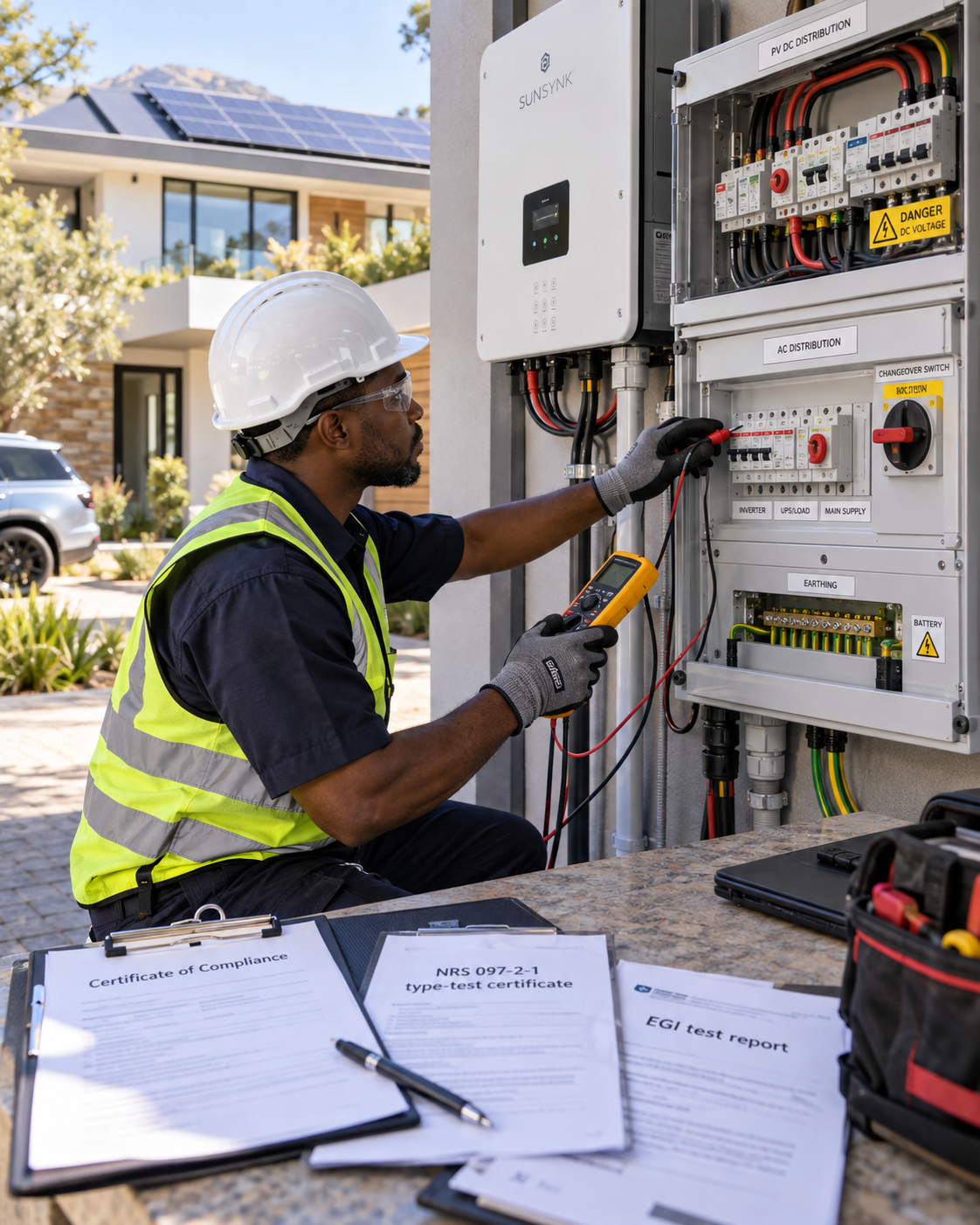
What gets checked before a Solar CoC can be issued?
The exact inspection will depend on the installation, but a compliance assessment can include the electrical wiring and distribution board, protection and isolation, earthing, inverter connections, changeover or backup arrangements, labelling, protection against unintended back-feed, and other applicable electrical safety requirements.
For homeowners dealing directly with Eskom, there are additional documents relevant to Eskom’s current SSEG process.
Eskom currently lists three key documents for SSEG registration:
-
- A valid Certificate of Compliance (CoC) signed by an appropriately registered person.
- An NRS 097-2-1 type-test certificate for the inverter, normally supplied by the inverter or equipment supplier.
- An Embedded Generator Installation (EGI) test report. Eskom says this may now be signed by qualifying Department of Employment and Labour registered persons, including Installation Electricians or Master Installation Electricians, subject to Eskom’s stated requirements. Eskom
This distinction is important: a CoC and Eskom SSEG registration are related, but they are not the same thing.
Why does Eskom care about solar compliance?
A grid-connected solar system operates alongside the electricity network.
Eskom explains that incorrectly installed or configured generation can potentially back-feed electricity onto power lines, endanger technicians, damage equipment and affect voltage or power quality. Compliant systems include protections designed to prevent these problems, including the inverter’s required anti-islanding behaviour. Eskom
This is also why the inverter itself matters.
For Eskom’s SSEG process, the utility currently requires an NRS 097-2-1 inverter type-test certificate in addition to the electrical CoC and installation test documentation. Eskom
Read Eskom’s official Small-Scale Embedded Generation information
What happened on 30 September 2026?
Eskom extended its SSEG registration and connection fee waiver for qualifying systems up to 50 kVA until 30 September 2026.
According to Eskom, the waiver covered registration-related costs including qualifying connection and metering costs. Eskom
Homeowners should not interpret the end of this incentive as meaning that every unregistered solar installation will automatically be disconnected.
Eskom’s own current FAQ says it has not fined customers merely for non-registration. It does, however, maintain that grid-connected SSEG systems must be registered and says unsafe or unauthorised grid connections can ultimately be disconnected where safety risks remain. Eskom
There is also an ongoing disagreement between Eskom and OUTA over the legal basis and scope of compulsory registration for residential systems. Whatever the outcome of that debate, homeowners still have good reason to ensure their electrical installations are safe and have the required compliance documentation. OUTA
Eskom customer or municipal customer?
This is another area where homeowners can easily become confused.
If Eskom supplies your electricity directly, Eskom’s SSEG process applies.
If your electricity comes from a municipality or municipal electricity distributor, you need to follow that distributor’s requirements instead. Municipalities can have their own application, approval, metering and commissioning procedures.
For example, the City of Ekurhuleni publishes its own embedded-generation registration process, while the City of Tshwane has its own SSEG requirements. Ekurhuleni Metropolitan Municipality
So before starting an application, first establish who actually supplies electricity to your property.
Already have solar but no CoC?
This is more common than many homeowners realise.
You may have bought a property with solar already installed. Your original installer may have closed down. Perhaps you received an invoice but no compliance documents. Or you may have a CoC but don’t know whether it covers the later solar installation.
That doesn’t automatically mean the entire system needs to be replaced.
The sensible first step is to have the installation and existing documentation assessed. An appropriately registered electrical professional can inspect and test the relevant installation, identify defects or missing compliance items and explain what needs to be corrected.
Once the required work has been completed and the installation passes the necessary inspection and testing, the appropriately registered person can issue the applicable Certificate of Compliance and test report. A registered person is required to refuse to issue the CoC while identified faults or defects remain. Department of Labour
Need help checking your solar installation?
Gauteng House & Garden can help you understand what you have and what you may still need.
Whether your solar system was installed recently or several years ago, we can assist with reviewing the installation and available documentation and coordinating the appropriate electrical compliance inspection.
Where a CoC is required, the installation must first be properly inspected and tested. If defects are found, these need to be corrected before the appropriately registered electrical professional can issue the Certificate of Compliance.
Have solar but aren’t sure whether everything is compliant? Get in touch and let us help you check before a small paperwork or installation problem becomes a bigger one.
FAQ's
What You Need to Know About Solar Solutions in Gauteng
Solar System Basics
Q. What type of solar systems do you install?
A: We install residential and commercial solar solutions, including backup inverter systems, hybrid solar systems, battery storage systems, solar panel installations and full grid-assist systems. Every system is designed around your property, electricity usage, budget and long-term energy goals.
Q. What is the difference between a backup system and a full solar system?
A: A backup system mainly keeps your essential items running during power outages, such as lights, Wi-Fi, fridge, TV and laptop charging. A full solar system includes solar panels that generate power during the day, helping reduce your monthly electricity bill and your reliance on the grid.
Q. Can I start small and upgrade my solar system later?
A: Yes. Many homeowners start with an inverter and battery backup system, then add solar panels and extra battery storage later. This is a practical way to build your system in stages instead of paying for a large installation upfront.
Q. Do I need solar panels immediately?
A: Not always. If your main concern is load shedding or power failures, you can start with an inverter and lithium battery backup system. Solar panels can be added later when you are ready to reduce your electricity usage from the grid.
Q. How do I know what size solar system I need?
A: The correct system size depends on what you want to power, your average electricity usage, the size of your home or business, and whether you want backup only or monthly savings as well. A site inspection helps us recommend the correct inverter, battery and solar panel setup.
Solar Pricing & Costing FAQs
Understanding Our Rates Please note: Every solar system and home installation is different. While we provide estimated ranges below, a physical site inspection is almost always required for an accurate, binding quote.
Q. How much does a residential solar system cost in Gauteng?
A: Solar pricing depends on the inverter size, battery storage, number of solar panels, installation complexity and the electrical condition of your property. As a guide, smaller backup systems may start from around R45,000 – R55,000 fully installed, while larger hybrid systems can range from R85,000 – R250,000+ depending on capacity.
Q. What is included in the solar installation price?
A: A typical quote may include the inverter, lithium battery, solar panels where required, mounting equipment, electrical protection, cabling, labour, setup, testing and compliance work. The final quote will depend on your property and the system you choose.
Q. Why do solar prices differ so much between homes?
A: Every property is different. Pricing can be affected by roof type, DB board condition, cable routes, battery size, inverter brand, number of panels, structural requirements and whether additional electrical work is needed before installation.
Q. Do you offer budget-friendly solar options?
A: Yes. We can recommend staged solar options based on your budget. You can begin with essential backup power and upgrade over time as your electricity needs grow.
Q. Is solar worth the investment?
A: Yes, for many Gauteng homes and businesses, solar is a long-term investment that helps reduce electricity costs, protects against power interruptions and adds practical value to the property. Your exact saving depends on your usage, system size and how much daytime power you can shift to solar.
Q. Will my electricity bill disappear completely?
A: Usually not completely. Solar can reduce your usage from the grid, but you may still pay fixed service fees, municipal charges or Eskom-related charges depending on your electricity provider and tariff structure. The goal is to reduce your monthly usage and protect your property from power failures.
Battery Backup & Load Shedding FAQs
Q. What can a 5kWh battery run?
A: A 5kWh lithium battery can usually support essential loads such as lights, Wi-Fi, a fridge, TV, laptops and small appliances. The exact backup time depends on how many items are running at the same time.
Q. Can a solar system run my whole house?
A: Yes, but the system must be correctly sized. A whole-home system usually requires a larger inverter, enough battery storage and enough solar panels to support your daily electricity demand.
Q. Can solar power heavy appliances?
A: Solar can power some heavy appliances when the system is designed for it. Items like pool pumps, washing machines, aircons, kettles, geysers and ovens use more power and need to be planned carefully. We usually recommend running heavy loads during strong daytime sun where possible.
Q. Can I run my geyser on solar?
A: It depends on the size of your system and how your geyser is connected. In many homes, it may be more cost-effective to use a gas or dedicated solar water heating solution instead of placing too much load on the inverter and battery system.
Q. How long will my battery last during an outage?
A: Backup time depends on the battery size and what you are powering. A smaller essential-load setup may last several hours when used carefully, while larger battery banks can provide longer backup for bigger homes or businesses.
Solar Installation & Compliance FAQs
Q. Do you provide a Certificate of Compliance?
A: Yes. Electrical compliance is important for safety, insurance and property value. Our solar installations are handled by qualified professionals and include the required electrical compliance documentation where applicable.
Q. Do I need a CoC for solar in South Africa?
A: Yes. Solar and inverter installations involve electrical installation work, so the applicable electrical work must be inspected, tested and covered by a valid Certificate of Compliance (CoC) issued by an appropriately registered person. A CoC helps confirm that the electrical installation complies with the relevant South African safety requirements.
Q. Can an electrician issue a solar CoC?
A: Not every electrician can issue a CoC. It must be issued by a person who is appropriately registered with the Department of Employment and Labour for the work concerned. For Eskom SSEG installations, Eskom’s current requirements specify an Installation Electrician or Master Installation Electrician for the relevant SSEG compliance sign-off.
The term “solar CoC” is commonly used, but it is essentially the electrical Certificate of Compliance covering the applicable solar and electrical installation work.
Q. Is your solar installer qualified?
A: Yes. Gauteng House & Garden works with an affiliated solar installation partner led by a qualified electrical technician with a Wireman’s License and PV GreenCard installer certification.
Q. Why is a site inspection important before quoting?
A: A site inspection allows us to check your DB board, roof space, wiring, load requirements, battery location, inverter position and safety requirements. This helps prevent underquoting, poor system design and unnecessary surprises during installation.
Q. How long does a solar installation take?
A: Smaller backup systems can often be completed faster, while larger hybrid or commercial systems may take longer depending on the roof layout, electrical work and system size. We will confirm the expected timeframe after the site assessment.
Q. Will solar installation damage my roof?
A: A professional installation should not damage your roof. The mounting system must be installed correctly, sealed properly and positioned safely to protect both the panels and the structure of your property.
Q. Can solar panels be installed on any roof?
A: Most roofs can support solar panels, but the roof type, angle, available space, shade and structural condition must be checked first. If your roof is not ideal, we can advise on the best alternative layout.
Q. What documents does Eskom require for SSEG registration?
A: For a typical residential SSEG registration, Eskom currently lists three key compliance documents: a valid Certificate of Compliance (CoC), an NRS 097-2-1 type-test certificate for the inverter, and an Embedded Generation Installation (EGI) test report completed by the appropriately registered person. Eskom
Requirements can differ depending on the size and type of system.
Q. Do I need to register solar with Eskom?
A: If Eskom supplies your property directly and your solar system operates in parallel with the Eskom grid, Eskom currently requires the SSEG system to be registered, even if you do not export electricity back to the grid.
If your electricity is supplied by City Power or another municipality, you need to follow that electricity provider’s SSEG requirements instead. A genuinely off-grid system that is completely independent of Eskom’s network is treated differently.
Q. What if my solar installer disappeared?
A: You can still take steps to get your installation checked. Start by gathering any documents you have, including your existing CoC, inverter information, installation invoices and equipment certificates.
An appropriately registered electrical professional can inspect and test the existing installation, identify missing or non-compliant work, and advise what needs to be corrected and what can lawfully be certified. A CoC should only be issued once the required inspection and testing have been completed and the applicable installation is compliant. Department of Labour
Gauteng House & Garden can assist with assessing your existing installation and help coordinate the appropriate solar and electrical specialists to advise you on the way forward.
Q. Does the 30 September 2026 Eskom deadline mean my power will be disconnected?
A: No. 30 September 2026 is the end date of Eskom’s current registration and connection fee waiver for qualifying Eskom customer solar systems up to 50 kVA. It is not stated by Eskom as an automatic switch-off date for every household that has not registered. Eskom
However, the requirement to register applicable grid-connected systems remains, and Eskom states that it may act where an installation presents a safety risk. Homeowners should therefore focus on making sure their installation is safe, correctly documented and registered with the correct electricity provider where required. Eskom
For the latest requirements, see Eskom’s official SSEG information page.
Maintenance & Warranty FAQs
Q. Do solar systems need maintenance?
A: Yes, but maintenance is usually low. Solar panels should be checked and cleaned when needed, and the inverter, battery and electrical connections should be inspected periodically to keep the system safe and efficient.
Q. How often should solar panels be cleaned?
A: This depends on dust, trees, pollution and weather conditions. In many Gauteng areas, panels may need cleaning a few times a year to maintain performance, especially after dry and dusty periods.
Q. What warranties come with a solar system?
A: Warranties depend on the inverter, battery and solar panel brands used. We recommend quality components with strong local support and manufacturer warranties, and we will explain the warranty details on your quote.
Q. What happens if my inverter or battery gives problems?
A: We assess the fault, check the installation and assist with the correct repair or warranty process where applicable. Using reputable brands with local support makes after-sales service much easier.
Commercial Solar FAQs
Q. Do you install solar for businesses?
A: Yes. We provide commercial solar solutions for offices, warehouses, retail spaces, schools, body corporates and other business premises. Commercial systems are designed around operating hours, equipment loads and long-term return on investment.
Q. Can solar reduce business electricity costs?
A: Yes. Businesses that use a lot of electricity during the day can benefit strongly from solar because panels generate power during working hours. This can reduce grid usage and improve monthly cost control.
Q. Can you install solar for body corporates or estates?
A: Yes. We can assist with solar and backup solutions for complexes, estates and body corporate environments. These projects usually require a site assessment, load calculation and approval from the relevant decision-makers.
Commercial Solar FAQs
Q. Do you charge for solar quotes?
A: We offer free, no-obligation quote assistance in our main Gauteng service areas. A proper site assessment may be needed to provide an accurate and reliable price.
Q. Which areas do you service?
A: We assist clients across Gauteng, including Johannesburg, Pretoria, Midrand, Sandton, Fourways, Randburg, East Rand, West Rand, Centurion, the Vaal and surrounding areas.
Q. Why should I use Gauteng House & Garden for solar?
A: Finding a reliable solar installer can be stressful. Gauteng House & Garden helps connect you with trusted, vetted professionals who understand solar design, electrical safety, compliance and quality workmanship.
Q. How do I request a solar quote?
A: Simply send us your details, property location and what you want to power. We will arrange the next step, assess your requirements and recommend a solar solution that fits your home, business and budget.
Get a Solar Quote Today
Whether you want backup power for load shedding, a staged solar upgrade, or a full hybrid solar system, Gauteng House & Garden can help you find the right solar solution for your property.
Why Use Gauteng House & Garden?
Home improvement projects involve more than simply finding someone who can do the work. They require a clear scope, realistic pricing, the right specialist, proper scheduling and ongoing communication.
We at Gauteng House & Garden provide you one project partner from the first conversation to final completion.
We assess your needs, help define the work, appoint the appropriate specialist and coordinate the project on your behalf – giving you greater clarity, accountability and peace of mind throughout the process.
One Project Partner
You have one central point of contact throughout your project, rather than having to manage multiple contractors yourself.
The Right Specialist for Every Trade
We work with selected specialist service partners who focus on their respective trades – from solar, electrical and waterproofing to carports, log cabins, plumbing, painting and outdoor improvements.
Clear Scope & Transparent Quotations
Before work begins, you receive a written quotation outlining the agreed scope, inclusions, exclusions, pricing, payment terms and expected timeframe.
Coordinated From Start to Finish
We coordinate communication, scheduling, project progress and agreed changes between you and the specialist service partner.
Greater Accountability
We remain involved throughout the project, helping address concerns, monitor agreed deliverables and coordinate outstanding items before project close-out.
Less Stress. Less Guesswork.
Your home is too valuable for contractor roulette. We bring structure and coordination to the process so you can make informed decisions and have greater confidence in the work being carried out.
Service Areas
Gauteng House & Garden manages home improvement and property projects across Johannesburg, Pretoria, Centurion, Midrand, Sandton, East Rand, West Rand and surrounding areas of Gauteng.
Tell Us About Your Project
Whether you’re renovating, repairing, upgrading or building something new, tell us what you have in mind.
We’ll assess your requirements, work with the right specialist and coordinate a practical, cost-effective solution for your property – from the first conversation to the final check.